BreathiZen contains 11 active ingredients, five botanical compounds targeted at respiratory pathways and six metabolic-support nutrients. Each ingredient below is listed with its botanical source, active fraction, physiological mechanism, and available clinical evidence.
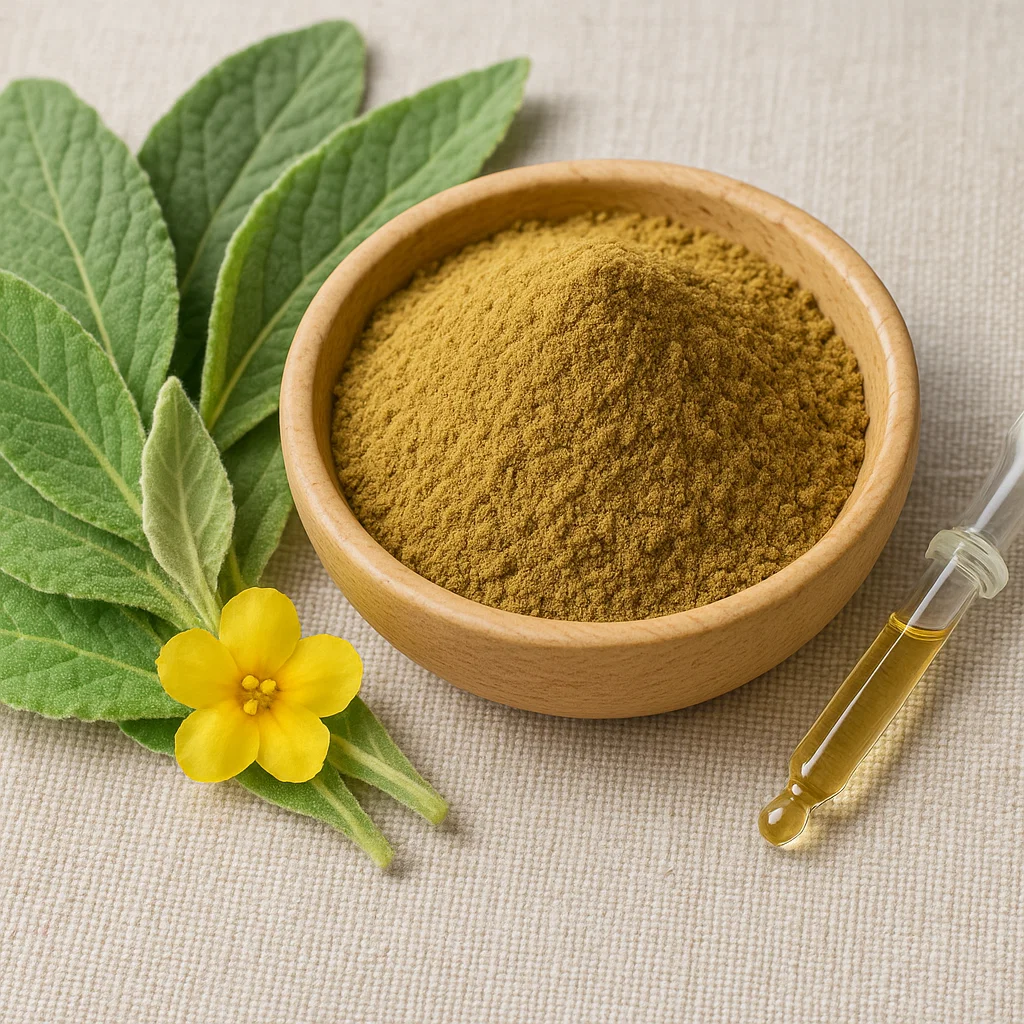
Mullein Leaf 10:1 (Verbascum thapsus)
Role: Expectorant, mucociliary clearance support
Standardized saponin fraction. The 10:1 concentration means each measured dose contains the saponin equivalent of 10 parts raw Mullein leaf. Saponins reduce bronchial mucus surface tension via surfactant-like intercalation, improving mucociliary transport velocity without stimulant effect.
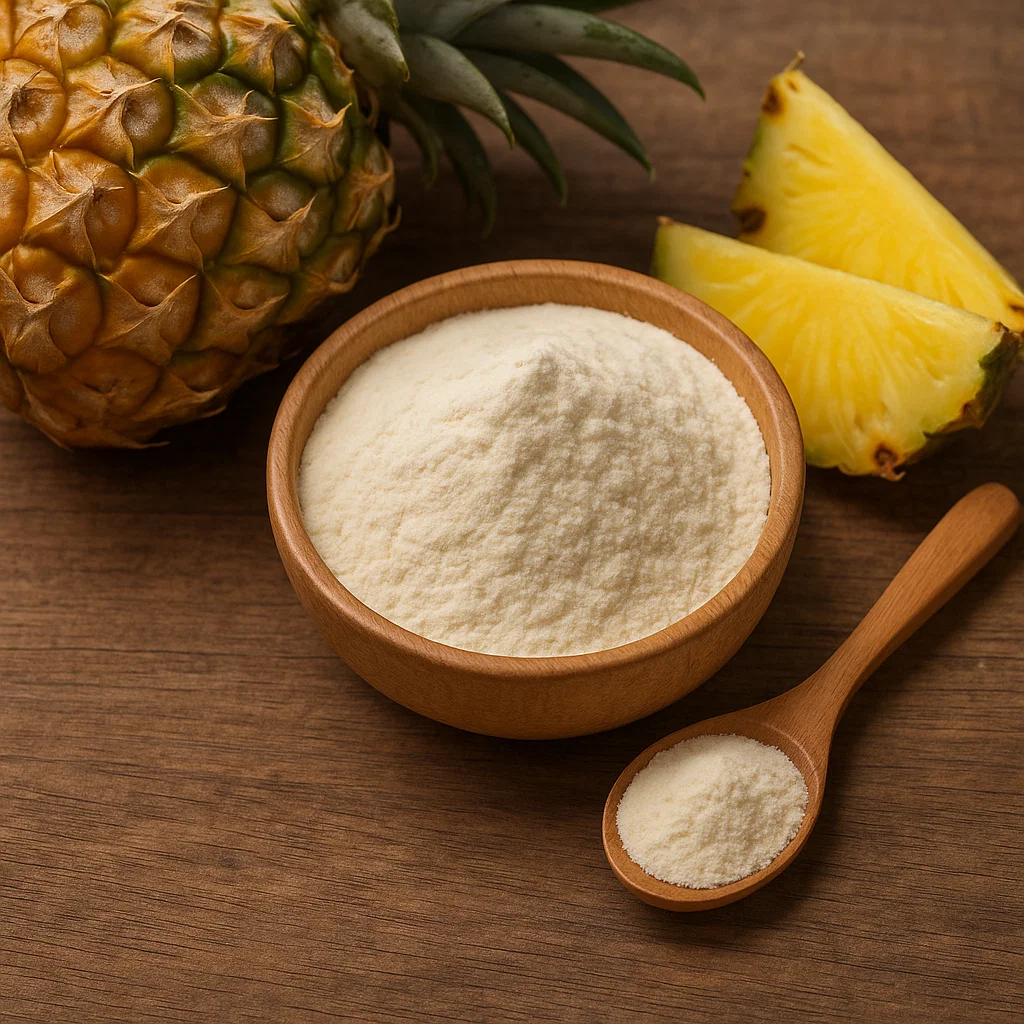
Bromelain (Ananas comosus (pineapple stem))
Role: Mucolytic, anti-inflammatory
Cysteine protease complex standardized for proteolytic activity (GDU/g). Cleaves mucin glycoprotein cross-links in the bronchial mucus layer, reducing viscosity. Also documented for anti-inflammatory activity at nasal and bronchial mucosal surfaces; Guo et al. (2007, Clinical Immunology) showed CD4+ T-cell density reduction and cytokine modulation in chronic sinusitis patients.
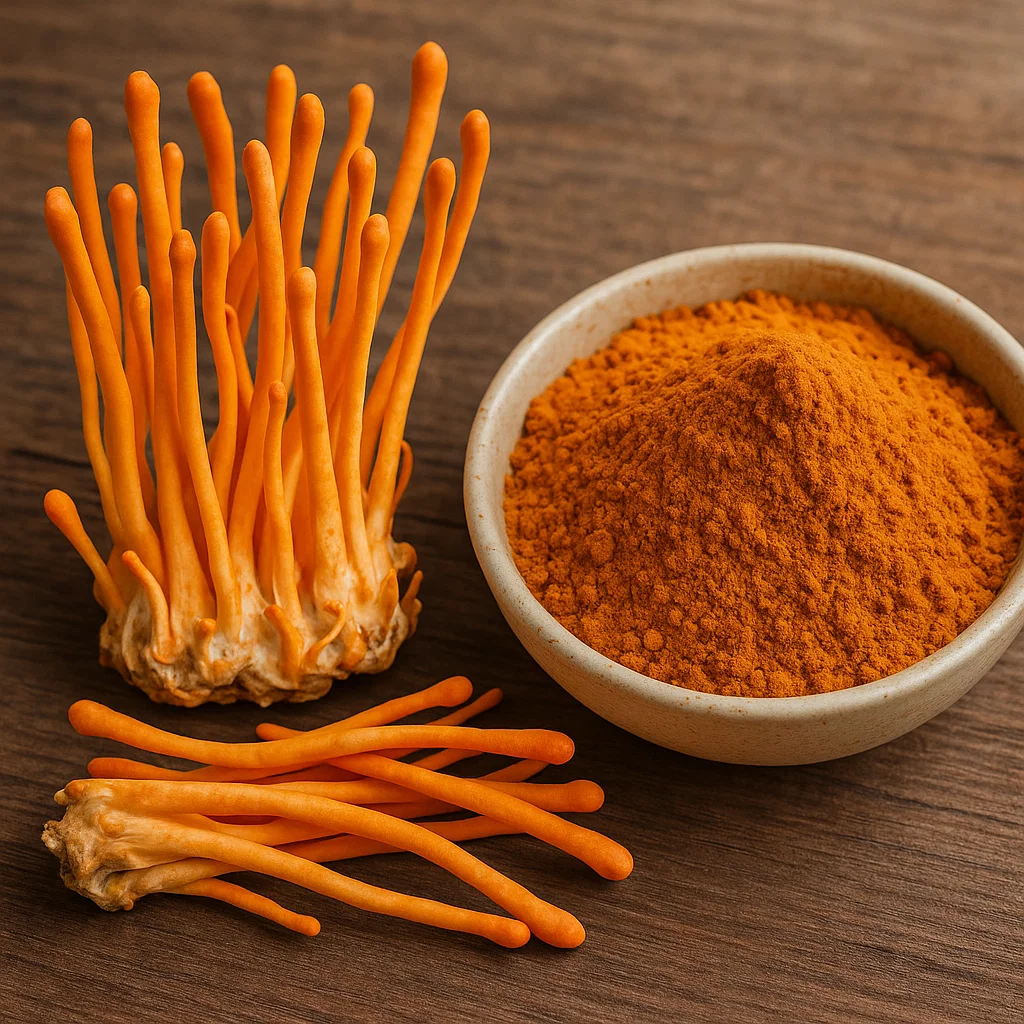
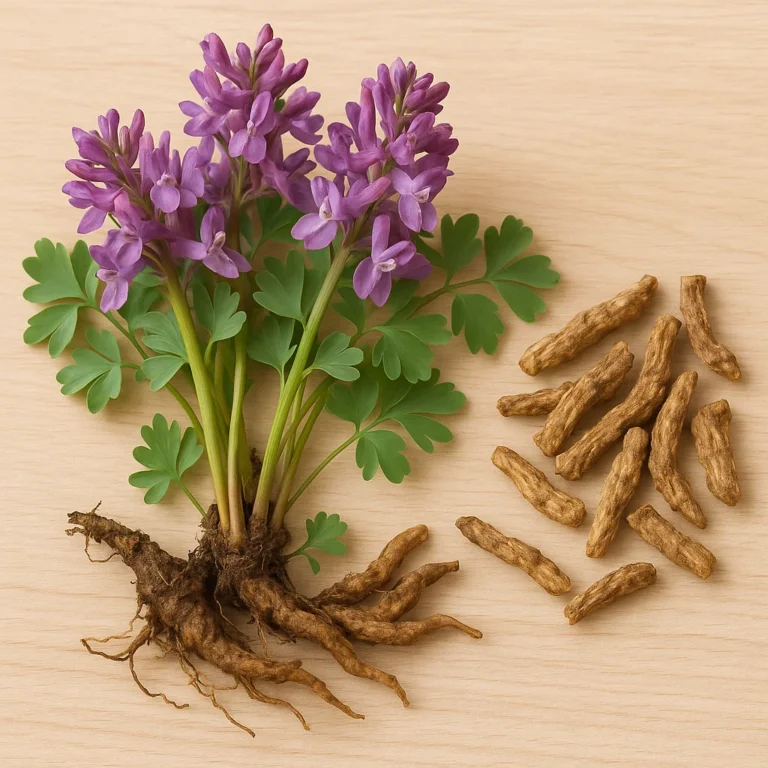
Cordyceps Sinensis (Cordyceps sinensis fungus)
Role: Bronchial smooth muscle relaxation, respiratory capacity
Standardized for cordycepin (3'-deoxyadenosine). Cordycepin acts as a partial adenosine A2B receptor agonist on bronchial smooth muscle, producing relaxation and increased airway diameter. The randomized trial by Zhu et al. (2010, Phytomedicine) found significant VO₂ max improvement and reduced respiratory effort after 16 weeks in adults over 50.
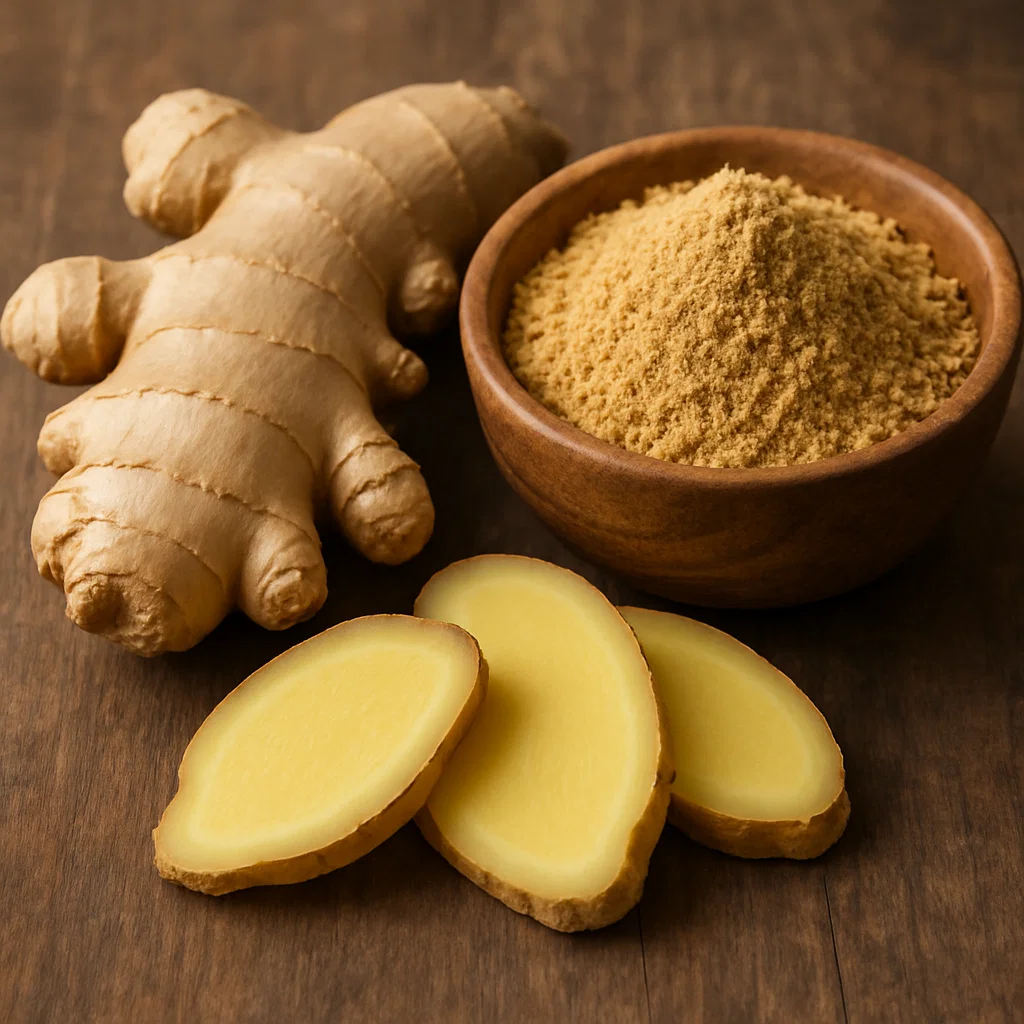
Ginger Root (Zingiber officinale)
Role: 5-LOX inhibition, anti-inflammatory
Standardized for gingerols and shogaols. [6]-Gingerol inhibits 5-lipoxygenase (5-LOX), blocking conversion of arachidonic acid to leukotriene B4: the neutrophil chemoattractant that drives bronchial inflammatory infiltration. Unlike NSAIDs, gingerols do not inhibit COX-1, avoiding gastric mucosal risk.
Lemon Balm (Melissa officinalis)
Role: Complement pathway inhibition, antiviral
Standardized for rosmarinic acid. Rosmarinic acid inhibits both C3 and C5 complement convertases, reducing complement-amplified mast cell degranulation and histamine release at bronchial mucosal surfaces. Also demonstrates antiviral activity against RSV in vitro at concentrations achievable with oral supplementation (Schnitzler et al., 2008).
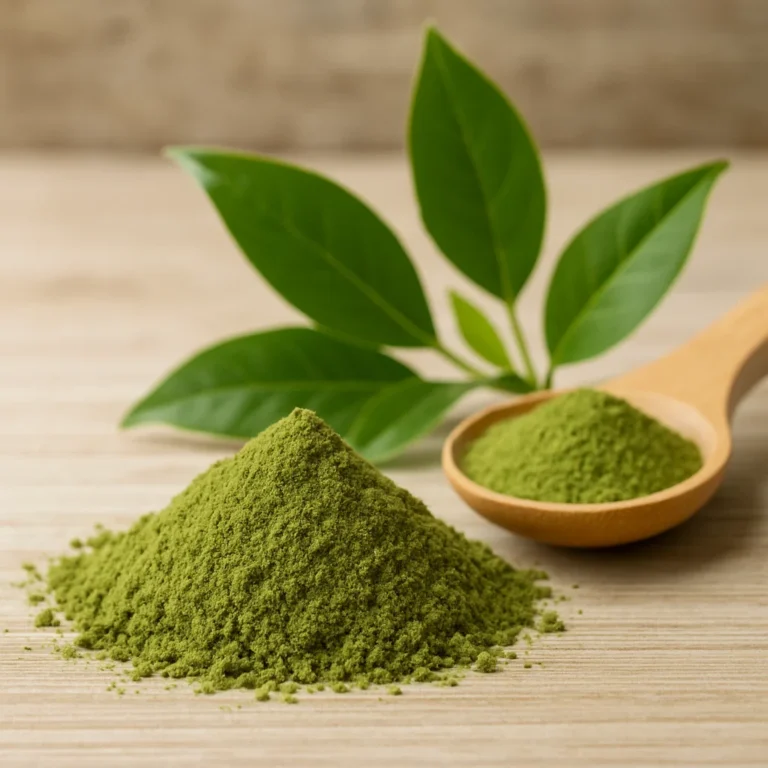
Green Tea Extract (Camellia sinensis)
Role: Antioxidant, epithelial protection
Standardized for EGCG (epigallocatechin gallate). EGCG activates the Nrf2 transcription pathway in bronchial epithelial cells, upregulating endogenous antioxidant enzymes, superoxide dismutase and catalase, that protect airway epithelial tight junction integrity from oxidative stress.

Green Coffee Bean (Coffea arabica (unroasted))
Role: Pulmonary vascular tone, NO pathway
Standardized for chlorogenic acid. Chlorogenic acid enhances eNOS (endothelial nitric oxide synthase) activity in pulmonary vascular endothelium. Improved NO bioavailability in pulmonary vessels supports appropriate vascular tone and reduces the elevated pulmonary vascular resistance associated with chronic airway inflammation.
L-Carnitine Tartrate (Synthetic amino acid derivative)
Role: Respiratory muscle energy metabolism
Facilitates long-chain fatty acid transport into mitochondria via the CPT-1 transporter system. The diaphragm and intercostal muscles depend substantially on mitochondrial fatty acid oxidation during sustained breathing effort. L-Carnitine deficiency reduces respiratory muscle oxidative capacity, contributing to fatigue under breathing load.
L-Theanine (Camellia sinensis)
Role: Sleep quality, relaxation without sedation
Non-protein amino acid that crosses the blood-brain barrier and modulates GABA-A receptor function, increasing inhibitory tone without sedation at standard doses. Reduces sleep arousal threshold, which is relevant for users with nighttime respiratory disruption who experience frequent awakenings from congestion.
Chromium Picolinate (Chromium mineral chelate)
Role: Blood glucose regulation, mucosal immune efficiency
Enhances insulin receptor sensitivity and supports stable blood glucose. Chronic hyperglycemia impairs neutrophil chemotaxis and reduces ciliary beat frequency in bronchial epithelium, mechanisms linking metabolic dysfunction to reduced respiratory mucosal defense. Chromium addresses this metabolic cofactor.

Vitamin D3 (Cholecalciferol)
Role: Cathelicidin induction, respiratory immune defense
The vitamin D receptor (VDR) is expressed on alveolar macrophages and bronchial epithelial cells. VDR activation transcribes cathelicidin (LL-37), a host-defense peptide that disrupts respiratory pathogen membranes. Martineau et al. (2017, BMJ meta-analysis, n=11,321) confirmed protective effect of D3 supplementation against acute respiratory infections.
Order BreathiZen
All 11 ingredients in one bioavailable oral spray formula. USA manufactured. 60-day guarantee.
Order BreathiZen Now